
The Allure of Risk and Reward
The thrill of gambling captivates a vast audience, largely due to the psychological principles of risk and reward. Players are often drawn to the prospect of winning, which activates the reward pathways in the brain. The release of dopamine, a neurotransmitter linked to pleasure, accompanies moments of victory, creating a euphoric sensation. This response encourages continued engagement with casino games, even when losses occur. Additionally, many players explore online casino sister sites to discover new experiences, as the unpredictability of outcomes, particularly in games like slots and roulette, enhances this allure, as players become entranced by the chance of a big win.
Moreover, the casino environment amplifies this cycle of risk and reward. Bright lights, vivid colors, and the sounds of spinning reels and chimes create an immersive atmosphere that heightens the excitement. This sensory stimulation not only attracts players but also conditions them to return, as they yearn to relive that euphoric high. The design of the casino floor is intentionally crafted to keep players engaged, with the placement of games and the flow of the space strategically designed to encourage exploration and extended play.
Another psychological factor contributing to this cycle is the phenomenon of near-misses. When players come close to winning, their brains often interpret this as a significant event, eliciting feelings of hope and motivation to continue playing. This sense of being just “one step away” from a win creates a powerful psychological pull, leading players to believe that their next play could be the jackpot. By understanding these psychological mechanisms, we can gain insight into why casinos thrive on the continuous participation of their patrons.
The Role of Cognitive Dissonance
Cognitive dissonance significantly shapes the behavior of casino patrons, as it refers to the mental discomfort experienced when individuals hold contradictory beliefs. In the context of gambling, this dissonance often occurs when players understand that the odds are against them yet continue to gamble. They may rationalize their persistence by convincing themselves that they can outsmart the game or that they are ‘due’ for a win after a losing streak. This internal conflict can lead to an ongoing cycle of gambling despite the awareness of unfavorable odds.
The process of rationalization exacerbates gambling habits, reinforcing emotional attachments to the games. As individuals wager time and money, they may develop a belief that their persistence will ultimately yield success. This mindset can lead to an increased likelihood of returning to the casino, as players cling to the hope of eventual victory. The emotional investment in the game can create a sense of entitlement, further entrenching their gambling behaviors.

Professional gamblers often exhibit strong cognitive dissonance, believing they possess unique insights or skills that provide them an edge over others. Despite overwhelming evidence that the house has the advantage, these individuals tend to maintain a self-image as skilled players. This belief not only cultivates a deeper psychological investment in their gambling activities but also contributes to a heightened tendency to return to the casino, perpetuating their gambling cycle.
The Impact of Social Dynamics
The social dynamics of gambling play a crucial role in shaping players’ experiences and decisions. Many individuals are drawn not only by the thrill of the games but also by the camaraderie found among fellow gamblers. Social interactions within casinos can foster a sense of community and belonging, making the gambling experience more enjoyable. The presence of friends or even strangers can encourage riskier behaviors, as players seek validation and approval from those around them, enhancing their overall engagement.
Card games like poker exemplify the importance of social dynamics, as players must read their opponents, bluff, and interpret subtle social cues. The competitive atmosphere intensifies the psychological stakes, compelling players to make decisions influenced by social pressures. This interplay between social dynamics and individual behavior complicates the player’s engagement with the game, as the desire for acceptance can lead to impulsive decisions and increased betting.
Casinos often capitalize on these social aspects by organizing tournaments and communal events that draw people together. These activities fulfill the psychological need for connection and competition, motivating increased participation. By creating a welcoming and engaging environment, casinos not only promote individual gambling but also cultivate shared experiences that enhance the excitement and emotional involvement of each player.
The Influence of Environment and Design
The architectural design and layout of a casino are meticulously crafted to enhance the gambling experience through psychological means. Key elements such as lighting, sound, and spatial organization are deliberately chosen to influence player behavior unconsciously. For example, the absence of clocks and windows creates an environment where players can become disoriented regarding time, encouraging them to stay longer and gamble more. This intentional design can lead to a disconnection from reality, resulting in prolonged engagement with the games.
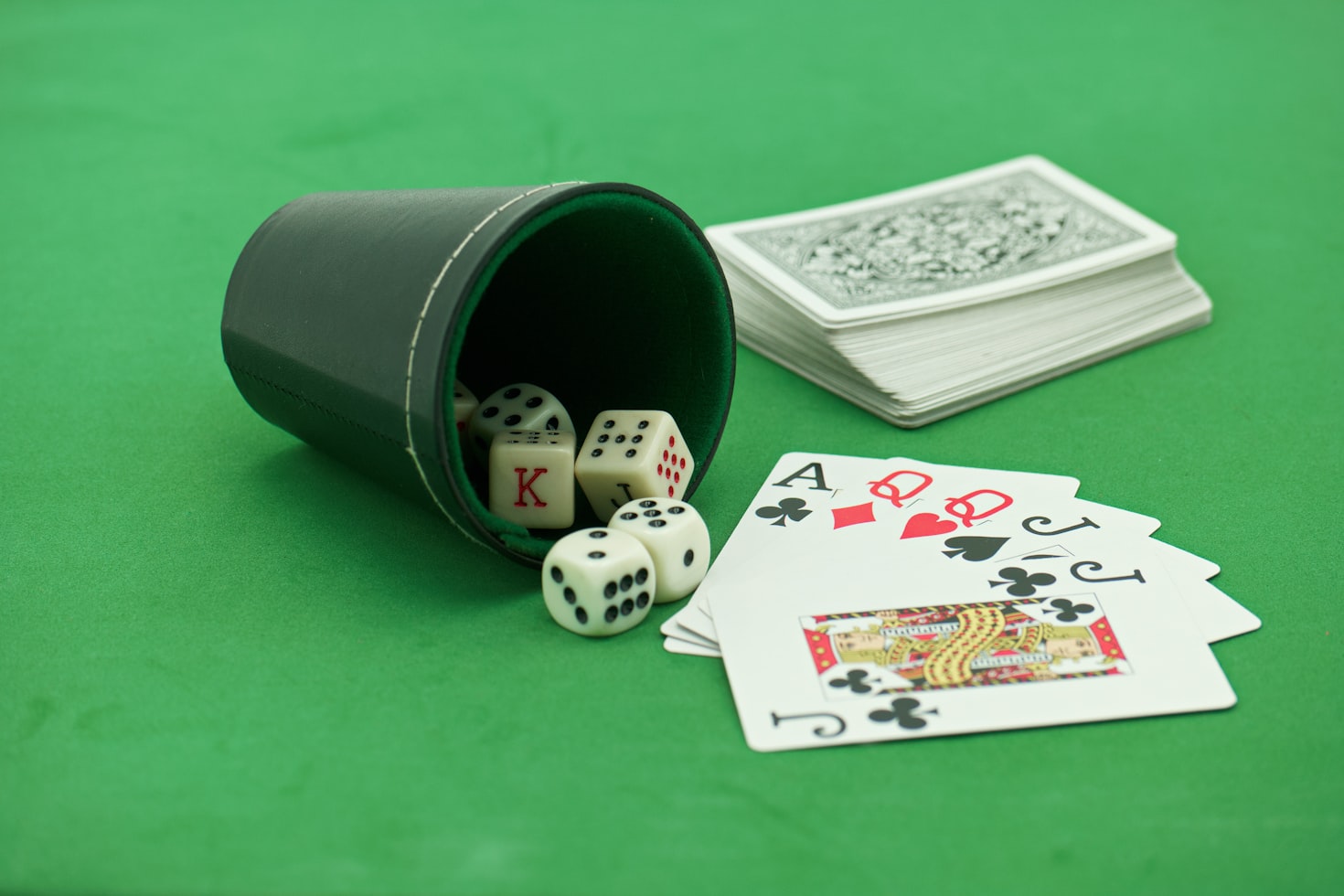
Moreover, the sensory overload produced by bright lights and enticing sounds captivates players upon entry. The atmosphere is designed to elicit emotions tied to excitement and desire, drawing individuals into the gaming experience. The strategic placement of high-stakes games near popular areas, such as dining or entertainment zones, encourages movement through the casino, feeding curiosity and heightening the overall thrill of the experience.
Casinos also leverage theme-based designs to create immersive environments that resonate with their target audiences. Different gaming sections may reflect various themes—ranging from glamorous and upscale to exotic and serene—catering to diverse demographics. This strategic approach not only enhances the enjoyment of the experience but also helps establish a unique identity for each casino, fostering loyalty and encouraging repeat visits from patrons who feel personally connected to the ambiance.
Understanding Casino Culture Through Research and Insights
A comprehensive understanding of the psychology behind casino games necessitates a close examination of research and insights from behavioral psychologists and sociologists. Studies in gambling habits reveal patterns and motivations that drive individuals to engage with casino games. This research highlights the significance of social influences, environmental factors, and cognitive processes, providing valuable information for stakeholders within the casino industry.
Furthermore, research has identified varying personality types among gamblers. Traits such as impulsivity, low self-control, and a heightened need for excitement often correlate with increased gambling behavior. By examining these personality profiles, casinos can tailor their marketing strategies and game offerings to engage more effectively with their target audiences, enhancing both player satisfaction and profitability.
The insights gained from ongoing research not only benefit the casino industry but also serve players by helping them better understand their own behaviors and motivations. By comprehending the psychological mechanisms that drive their actions, individuals can develop healthier attitudes toward gambling. This knowledge empowers players to enjoy the casino experience responsibly and engage critically with the environment, contributing to a safer and more enjoyable gambling culture.