
The Allure of Chance
The thrill of uncertainty is one of the primary psychological attractions of casino games. Players are often drawn to the concept of chance, where the outcome is unpredictable, and every spin of the wheel or flip of a card could lead to either a significant win or a disheartening loss. This uncertainty creates an adrenaline rush that many find exhilarating, especially when choosing an online casino accepting neosurf to enhance their gaming experience. The anticipation builds in players as they wait for results, tapping into their innate desire for risk and reward. This psychological interplay between hope and fear is what keeps many players returning to casinos.
Moreover, the appeal of chance is deeply ingrained in human nature. Evolutionarily, humans have developed a propensity for taking risks, which can sometimes lead to substantial rewards. Casinos capitalize on this trait by designing games that offer the potential for large payouts, often overshadowing the harsh realities of the odds and house edge. Knowing that someone could walk away with a fortune can create a fantasy that captivates players, motivating them to spend time and money driven by the slim chance of success.
This element of chance also plays into the psychological phenomenon known as variable reinforcement. In many casino games, the outcomes vary unpredictably; sometimes players win big, and other times they lose. This inconsistency can lead to players developing compulsive behavior as they chase their next win, spurred on by the thrill of potential gameplay. The psychological conditioning that arises from this dynamic can create a cycle of gambling behavior that is difficult for individuals to break free from, making casinos intriguing, yet potentially dangerous, venues.
The Role of Environment
The design of a casino plays a crucial role in influencing the psychology of its patrons. From the moment one steps through the doors, bright lights, vibrant colors, and lively sounds create an immersive environment that stimulates excitement and engagement. This carefully created atmosphere serves to distract players from the reality of their odds and losses, immersing them in a world that feels magical and full of possibilities. Such environments are often constructed to feel timeless, with no clocks or windows, encouraging players to lose track of time and extend their gaming sessions.
Additionally, the strategic placement of games and amenities within a casino can impact player behavior. High-stakes games may be situated near popular attractions, drawing in those willing to spend more while ensuring they remain captivated by the energy around them. The cognitive load is carefully managed so that players can focus solely on their game, further amplifying their likelihood of continued play. This meticulous orchestration of environment is designed not only for enjoyment but also to promote the spending of money, making it a potent psychological strategy.
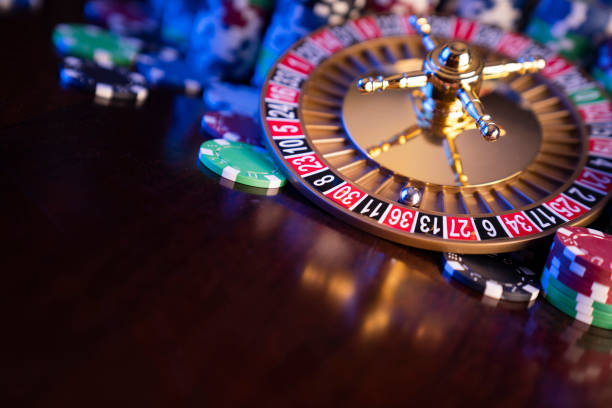
Another key aspect of casino design is the integration of socialization opportunities. Many games encourage interaction, whether through shared experiences at table games or festive atmospheres in slot machine areas. This social element can enhance enjoyment and the psychological appeal, leading players to associate good times with gaming. This positive reinforcement builds lasting memories associated with gambling, further establishing the casino as a place of excitement and enjoyment, thus fostering repeat visits.
The Impact of Emotional States
Emotions play a significant role in gambling behavior, influencing not only the decision to gamble but also how individuals react to wins and losses. Players often experience a rush of joy with a win that can be so euphoric that it creates a sense of invincibility—known as the “gambler’s fallacy.” This leads individuals to believe that they can replicate their success, which is often not grounded in reality. Such heightened emotions can lead to risky decisions, encouraging players to wager larger amounts than they initially intended.
Conversely, losses can elicit feelings of frustration or sadness, which may motivate individuals to gamble again in an attempt to recover their losses. This phenomenon is known as “chasing losses.” The psychology behind this behavior stems from a common cognitive bias where individuals believe they can alter their luck through sheer will or additional play. The emotional highs and lows experienced during gameplay can create a rollercoaster of feelings that keeps players engaged, despite the actual odds working against them.
Moreover, emotional states can color perceptions of probability and outcomes. During moments of heightened excitement, for instance, players may miscalculate their capabilities, leading them to take risks they normally would avoid. This can create a cycle of emotional decision-making where the thrill of winning and the despair of losing become intertwined, making it difficult for players to maintain logical control over their gambling habits. Understanding these emotional factors is critical for both players and those who might be seeking to help individuals manage their gambling behaviors effectively.
The Psychology of Winning
Winning is intrinsically rewarding and can invoke feelings of happiness and accomplishment, reinforcing the behavior of returning to play. The brain releases dopamine, a neurotransmitter associated with pleasure and reward when a player wins, creating a natural high. This chemical reaction enhances the overall gaming experience and contributes to the addictive potential of casino games. Over time, players may become conditioned to associate casino environments with these rewarding feelings, strengthening their urge to return and play again.

Furthermore, the experience of winning—even if it is not a substantial amount—can create a skewed perception of success. Many players may fixate on small victories, allowing these moments to overshadow losses. This cognitive bias often leads to an inflated sense of skill and control over outcomes, resulting in repeated gameplay. Such psychological phenomena create a complex relationship between players and gaming, where the allure of potential winnings fuels ongoing engagement.
Interestingly, the design of games often emphasizes the idea of winning, even at lower payout levels. Frequent small wins are built into slot machines and other casino games, giving players the sensation of success without the need for a massive jackpot. This strategy keeps players psychologically satisfied, encouraging them to continue playing in pursuit of larger rewards. Consequently, the psychology behind winning is not just about the big payouts—it’s also about creating experiences that keep players hooked, blurring the lines between reality and expectation.
Conclusion and Further Insights
Understanding the psychology behind casino games provides valuable insights into why these environments can be so compelling. The combination of chance, immersive design, emotional highs and lows, and the allure of winning creates a multifaceted experience that appeals to a wide range of individuals. As players engage with games, they can find themselves navigating complex psychological landscapes that can lead to both thrilling highs and potential lows.
For those interested in delving deeper into the world of casino psychology and responsible gambling, comprehensive resources and expert advice are available online. Engaging with these materials not only fosters a richer understanding of the motivations behind gaming behavior but also promotes healthier practices for individuals who may find themselves struggling with their habits. Ultimately, awareness and education are crucial in ensuring that the excitement of casino games can be enjoyed safely and responsibly.
By being mindful of the psychological elements at play, players can make informed decisions regarding their gambling activities. Recognizing the patterns of behavior and emotional responses can empower individuals to enjoy the thrill of gaming while maintaining control over their impulses. As the landscape of casinos continues to evolve, fostering a culture of responsible gambling becomes increasingly important for both players and operators alike.